Curious and a little disturbing to see how numerous zombie estates around the country have gulled and gypped buyers with their lack of roads, water, sewage or other basic infrastructure.
A good few of these subdivisions go back a century or more and were never developed or serviced for one reason or another; finance, zoning, environmental or various other issues.
An old favourite of mine is out Melton way, called Chartwell after Winston Churchill’s family pile. Loaded up with Mayfair, Oxford, Downing, The Mall and other ambitious names for streets that never saw a lick of bitumen.
Reminds me of another sting, the Chartwell Enterprises Ponzi con-job that fleeced Geelong suckers of $82 million some 20 years back.
Landed Graeme Hoy, a Rolls-Royce Phantom-driving one-time Geelong mayor for the day, 13 years in the slammer for his role in the scam. Partner Ian Rau landed a 31-month sentence. Whereabouts of both these days unknown.
An estate closer to home that left people high and dry was the ill-fated 600-lot New Corio Estate on Shell Road near Geelong Grammar.
It was sold off the plan by door-to-door salesmen in the 1960s and ’70s to unwitting migrants and investors. No residential zoning, no essential infrastructure, no permits.
City Hall’s been buying it back bit by bit, for a couple grand a block, to serve as a grassland reserve.
By contrast, another estate that sat in lengthy abeyance at neighbouring Lara managed to resurrect itself – after the best part of a century.
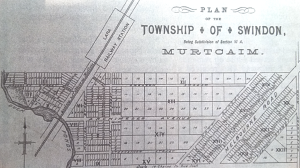
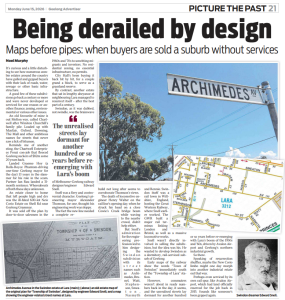
Swindon, as it was dubbed, not swindle, was the brainwave of Melbourne-Geelong railway designer/engineer Edward Snell.
Snell was a fiery and controversial character. Geelong’s pioneering mayor Alexander Thomson, for one, thought his engineering work was sloppy.
The fact the new line needed a complete rebuild not long after seems to corroborate Thomson’s views.
The death of locomotive engineer Henry Walter on the rail line’s opening day, when he struck his head on a close Cowie’s Creek bridge beam while waving to the nearby crowd, didn’t help either.
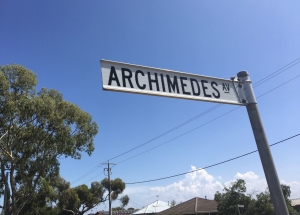
But Snell’s admiration for the engineering profession led to him designing the Swindon subdivision with its street names such as Archimedes, Brunel, Watt, Stephenson, Smeaton, Nasmyth and Rennie.
Swindon itself was a rail town in Wiltshire, England, hosting the Great Western Railway, where Snell earlier worked. The GWR built a major rail terminus linking London and Bristol, as well as a massive locomotive works.
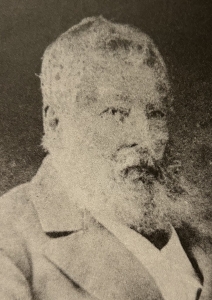
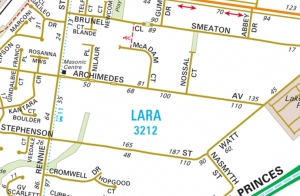
Snell (above) wasn’t directly involved in selling the subdivision, but the idea was his. He wanted to develop Swindon as a dormitory, rail-serviced suburb of Geelong.
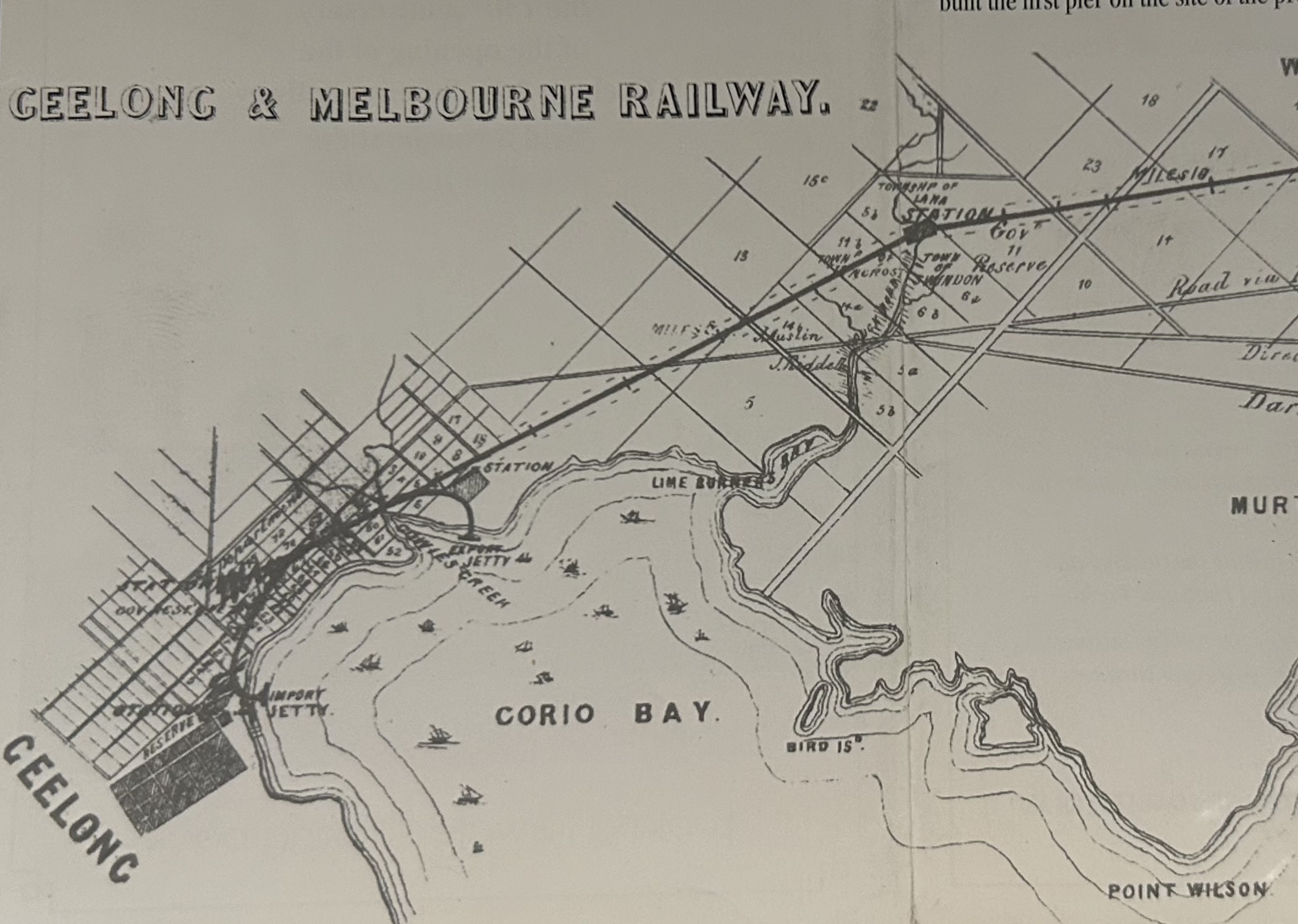
Early maps of the railway show the words ‘Town of Swindon’ immediately south of the ‘Township of Lara’ station.
However, commuters weren’t about in ready numbers back in the day, it seems, and the unrealised streets lay dormant for another hundred or so years before re-emerging with Lara’s boom of the 1950s and ’60s, driven by Avalon Airport and Geelong’s northern industrial growth.
So there. Speaking of resurrection shuffles, maybe the New Corio limbo might one day morph into another industrial estate out that way.
Perhaps even serviced by its own rail spur, like Avalon Airport, which had land officially reserved for the job back in 2015. Sounds like someone’s been gypped again.